Sanaei
6214ff4edc
Sanaei
6214ff4edc
* fix(mtproto): split the mtg fingerprint into structural and secrets parts

A reordered clients array in the stored settings used to read as a config
change because the fingerprint concatenated secrets in array order, and one
opaque fingerprint could not tell a restart-worthy change (bind address,
fronting, throttle) from a secret-set change a reload-capable mtg can absorb
in place. Sort the secret pairs so order stops mattering, and split the value
so the upcoming hot-reload path can decide between keeping, reloading, and
restarting the process.

* fix(mtproto): stop restarting mtg on every inbound edit

Saving an mtproto inbound tore down and respawned its mtg sidecar even when
nothing material changed, dropping every live Telegram connection: the update
path pushed DelInbound+AddInbound, and Remove deletes the manager's map entry,
so Ensure's fingerprint no-op gate could never fire. Route mtproto updates
through a single Ensure call so an edit that leaves the generated TOML alone
keeps the process, and only real config changes restart it.

Capturing the pre-edit protocol also fixes a latent leak: changing an
inbound's protocol away from mtproto never stopped the sidecar, because the
snapshot handed to the runtime already carried the new protocol and the
removal took the xray branch, leaving an orphaned mtg holding the port.

An mtproto push failure no longer requests an xray restart - xray cannot fix
the sidecar, and the 10s reconcile job self-heals it.

The regression test fakes mtg by re-executing the test binary, counting
spawns through a pid file: an unchanged save and a remark-only edit must keep
the process, a re-keyed secret must restart it.

* fix(mtproto): exclude depleted clients from the reconcile job to match the sync push

The 10s reconcile job derived mtg secret sets from raw inbound settings while
the interactive push filtered clients through buildRuntimeInboundForAPI, which
drops client_traffics-disabled (depleted or expired) clients. The two paths
therefore disagreed on the fingerprint - each disagreement one needless mtg
restart dropping live connections - and worse, the job kept serving depleted
clients' secrets indefinitely, so running out of traffic never actually cut an
mtproto client's access.

DesiredMtprotoInstances now builds the job's desired state with the same
depletion overlay the push uses (one bulk client_traffics query), drops
inbounds whose every secret is filtered away so their sidecar stops, and
AddInbound pushes the filtered payload too so an imported inbound carrying
disabled stats does not seed a fingerprint the next reconcile disagrees with.

* feat(mtproto): hot-reload mtg secrets in place instead of restarting

A client add, removal, re-key, or enable-toggle changes only the [secrets]
section of the generated config, yet the panel could apply it only by killing
and respawning the mtg sidecar, dropping every Telegram connection on that
inbound. Split the ensure decision three ways: an identical config is a no-op,
a secrets-only change rewrites the TOML on the same api port and asks mtg to
hot-swap it via POST /reload, and a structural change (or a failed reload)
falls back to the full stop-and-start.

The reload endpoint is served by the mhsanaei/mtg-multi fork; against an older
binary the POST 404s and the manager restarts exactly as before, so panel and
binary upgrades stay order-independent.

* feat(mtproto): apply single-client edits to the sidecar immediately

Client CRUD on an mtproto inbound was a runtime no-op, so an add, delete,
re-key, or enable-toggle only reached mtg on the next 10s reconcile. With the
sidecar now able to hot-reload, push the change straight after the edit commits:
applyLocalMtproto rebuilds the inbound's filtered client set and re-applies it,
so a new client works within a moment (and, on a reload-capable binary, without
disturbing the others) and deleting the last client stops the process.

The three interactive single-client paths (add, update, delete) call it; bulk
operations still ride the reconcile job, which converges to the same state.

* chore(mtproto): pin mtg-multi to the mhsanaei fork v1.13.3

The reload endpoint the panel now uses lives in the mhsanaei/mtg-multi fork, so
point the source-build pin (DockerInit.sh + both release.yml matrices) at it and
bump to v1.13.3. The install still produces the same mtg-multi binary name, so
the mtg-<os>-<arch> rename and everything downstream are unchanged. Docs and the
package comment note the hot-reload path and its restart fallback.

* feat(mtproto): apply live secret updates via the management API and add ad-tag

Two capabilities the mhsanaei/mtg-multi v1.13.3 fork exposes are now surfaced by
the sidecar manager.

Live updates go through PUT /secrets on the fork's management API instead of
POST /reload: the panel already holds the whole desired set per inbound, so it
sends secrets and the advertising tag as one JSON call that mtg applies
atomically, keeping every unchanged connection and closing only removed or
re-keyed ones. The config file is still written first so a restart or crash
recovery reproduces the state, and any non-200 (an older binary, a refused
connection) still falls back to a full restart.

Per-inbound ad-tag adds an optional 32-hex Telegram advertising tag plus
public-ipv4/public-ipv6 overrides. The ad-tag rides the reloadable secrets
fingerprint, so changing it hot-applies without dropping connections; the public
IPs are proxy-construction parameters and sit in the structural fingerprint, so a
change there restarts the process. Empty public IPs are omitted so mtg
auto-detects the reachable address.

* feat(inbounds): expose the mtproto ad-tag and public IP in the inbound form

Adds an Ad-tag field (validated as 32 hex characters) plus optional Public IPv4
and Public IPv6 overrides to the MTProto inbound form, backed by the same-named
settings the sidecar writes into the mtg config. The public IPs are optional —
left blank, mtg auto-detects the reachable address the ad-tag middle proxy needs.
English strings are added to every locale; the non-English ones carry the
English text until translated and fall back to it meanwhile.

* ci(mtproto): install mtg-multi from prebuilt release binaries

The fork now publishes release archives for every platform we package, so
download and unpack the matching mtg-multi-<ver>-<os>-<arch> binary instead of
compiling it from source with go install. Faster builds and no toolchain step,
and the archive's platform labels line up with our matrix; the produced
mtg-<os>-<arch> filenames are unchanged.

* i18n(mtproto): localize the ad-tag and public IP strings

The six mtgAdTag*/mtgPublicIp* keys shipped with English text in every locale as
a placeholder. Translate them into the twelve non-English locales (Arabic,
Spanish, Persian, Indonesian, Japanese, Portuguese-BR, Russian, Turkish,
Ukrainian, Vietnamese, and Simplified/Traditional Chinese); en-US is unchanged.

* retired goreportcard.com
12 KiB
English | فارسی | العربية | 中文 | Español | Русский | Türkçe





3X-UI, Xray-core sunucularını yönetmek için geliştirilmiş profesyonel, açık kaynaklı bir web kontrol panelidir. Tek bir sanal sunucudan (VPS) çok düğümlü (multi-node) dağıtımlara kadar çok çeşitli proxy ve VPN protokollerini kurmak, yapılandırmak ve izlemek için temiz, çok dilli bir arayüz sağlar.
Orijinal X-UI projesinin geliştirilmiş bir çatallaması (fork) olarak inşa edilen 3X-UI; çok daha geniş protokol desteği, artırılmış kararlılık, kullanıcı başına trafik hesaplama ve kullanım kolaylığı sağlayan birçok yeni özellik sunar.
Important
Bu proje yalnızca kişisel kullanım için tasarlanmıştır. Lütfen yasadışı amaçlar için veya üretim (production) ortamında kullanmayın.
Özellikler
- Çoklu protokol destekli gelen bağlantılar (Inbounds) — VLESS, VMess, Trojan, Shadowsocks, WireGuard, Hysteria2, HTTP, SOCKS (Karma), Dokodemo-door / Tunnel ve TUN.
- Modern aktarımlar (transports) ve güvenlik — TCP (Raw), mKCP, WebSocket, gRPC, HTTPUpgrade ve XHTTP; TLS, XTLS ve REALITY ile güvene alınmıştır.
- Geri Dönüş (Fallbacks) — Xray'in fallback desteğini kullanarak tek bir port üzerinde birden fazla protokole (ör. 443 üzerinde hem VLESS hem Trojan) hizmet verin.
- Kullanıcı başına yönetim — Trafik kotaları, bitiş tarihleri, IP sınırları, canlı çevrimiçi (online) durumu ve tek tıkla paylaşım bağlantıları, QR kodları ve abonelikler.
- Trafik istatistikleri — Gelen bağlantı (Inbound), istemci ve giden bağlantı (Outbound) bazında istatistikler ve sıfırlama kontrolleri.
- Çoklu düğüm (Multi-node) desteği — Tek bir panel üzerinden birden fazla sunucuyu yönetin ve ölçeklendirin.
- Giden bağlantı (Outbound) ve yönlendirme — WARP, NordVPN, özel yönlendirme kuralları, yük dengeleyiciler (load balancers) ve giden bağlantı proxy zincirleme (proxy chaining).
- Dahili abonelik sunucusu (Birden fazla çıktı formatı ve özel sayfa şablonları ile).
- Uzaktan izleme ve yönetim için Telegram botu.
- Panel içi Swagger dokümantasyonuna sahip RESTful API.
- Esnek depolama — SQLite (varsayılan) veya PostgreSQL.
- Koyu ve açık tema seçenekleriyle 13 farklı UI dili.
- Kullanıcı başına IP limitlerini zorunlu kılmak için Fail2ban entegrasyonu.
Ekran Görüntüleri
Genişletmek için tıklayın


Hızlı Başlangıç
bash <(curl -Ls https://raw.githubusercontent.com/mhsanaei/3x-ui/master/install.sh)
Belirli bir sürümü kurmak için, etiketini (ör. v3.4.0) ekleyin:
bash <(curl -Ls https://raw.githubusercontent.com/mhsanaei/3x-ui/master/install.sh) v3.4.0
Sürekli güncellenen dev sürümünü (kararlı bir sürüm değil; main dalından her commit'te oluşturulan en son ön sürüm) kurmak için dev-latest değerini geçirin:
bash <(curl -Ls https://raw.githubusercontent.com/mhsanaei/3x-ui/master/install.sh) dev-latest
Kurulum sırasında rastgele bir kullanıcı adı, şifre ve erişim yolu oluşturulur. Kurulumdan sonra, hizmeti başlatabileceğiniz/durdurabileceğiniz, giriş bilgilerinizi görüntüleyebileceğiniz veya sıfırlayabileceğiniz, SSL sertifikalarını yönetebileceğiniz ve çok daha fazlasını yapabileceğiniz yönetim menüsünü açmak için terminalde x-ui komutunu çalıştırın.
Tam dokümantasyon için lütfen proje Wiki sayfasını ziyaret edin.
Etkileşimsiz kurulum
Yükleyici, cloud-init için etkileşimsiz olarak da çalışır.
XUI_NONINTERACTIVE=1 ayarlayın (veya TTY olmadan boru hattına aktarın); kurulum baştan
sona hiçbir soru sormadan tamamlanır, rastgele kimlik bilgileri oluşturup bunları
/etc/x-ui/install-result.env dosyasına yazar. Şunlar için deploy/ klasörüne bakın:
- Cloud-init user-data — herhangi bir bulutta etkileşimsiz kurulum (Hetzner/AWS/DO/Vultr/GCP/Azure/Oracle)
- Hetzner Cloud notları — Hetzner üzerinde cloud-init tabanlı dağıtım
Desteklenen Platformlar
İşletim sistemleri: Ubuntu, Debian, Armbian, Fedora, CentOS, RHEL, AlmaLinux, Rocky Linux, Oracle Linux, Amazon Linux, Virtuozzo, Arch, Manjaro, Parch, openSUSE (Tumbleweed / Leap), Alpine ve Windows.
Mimariler: amd64 · 386 · arm64 (aarch64) · armv7 · armv6 · armv5 · s390x.
Veritabanı Seçenekleri
3X-UI kurulum sırasında seçilebilecek iki arka uç (backend) destekler:
- SQLite (varsayılan) —
/etc/x-ui/x-ui.dbkonumunda tek bir dosya. Kurulum gerektirmez, küçük ve orta ölçekli dağıtımlar için idealdir. - PostgreSQL — Yüksek kullanıcı sayıları veya çoklu düğüm (multi-node) kurulumları için önerilir. Yükleyici sizin için yerel olarak PostgreSQL kurabilir veya mevcut bir sunucuya DSN bağlantısı kabul edebilir.
Çalışma anında veritabanı türü ortam değişkenleri (environment variables) ile seçilir (yükleyici bunları sizin için /etc/default/x-ui dosyasına yazar):
XUI_DB_TYPE=postgres
XUI_DB_DSN=postgres://xui:password@127.0.0.1:5432/xui?sslmode=disable
Mevcut bir SQLite Kurulumunu PostgreSQL'e Taşıma
x-ui migrate-db --dsn "postgres://xui:password@127.0.0.1:5432/xui?sslmode=disable"
# ardından /etc/default/x-ui içindeki XUI_DB_TYPE ve XUI_DB_DSN değerlerini ayarlayıp yeniden başlatın:
systemctl restart x-ui
Kaynak SQLite dosyasına dokunulmaz; yeni veritabanının düzgün çalıştığını doğruladıktan sonra eski SQLite dosyasını manuel olarak silebilirsiniz.
Docker
Varsayılan docker compose up -d komutu SQLite kullanmaya devam eder. Birlikte paketlenmiş PostgreSQL servisi ile çalıştırmak için, docker-compose.yml dosyasındaki iki XUI_DB_* değişken satırının yorumunu kaldırın ve profille başlatın:
docker compose --profile postgres up -d
Docker imajı, kullanıcı başına IP limitlerini zorunlu kılmak için Fail2ban ile (varsayılan olarak etkindir) paketlenmiştir. Fail2ban, ihlalcileri iptables ile engeller ve bunun için NET_ADMIN yetkisine ihtiyaç duyar. docker-compose.yml bunu zaten cap_add üzerinden vermektedir; ancak konteyneri bunun yerine docker run ile başlatırsanız bu yetkileri kendiniz eklemelisiniz, aksi takdirde yasaklamalar günlüğe kaydedilir ancak uygulanmaz:
docker run -d --cap-add=NET_ADMIN --cap-add=NET_RAW ... ghcr.io/mhsanaei/3x-ui
Ortam Değişkenleri (Environment Variables)
| Değişken | Açıklama | Varsayılan |
|---|---|---|
XUI_DB_TYPE |
Veritabanı türü: sqlite veya postgres |
sqlite |
XUI_DB_DSN |
PostgreSQL bağlantı dizesi (eğer XUI_DB_TYPE=postgres ise) |
— |
XUI_DB_FOLDER |
SQLite veritabanı dizini | /etc/x-ui |
XUI_DB_MAX_OPEN_CONNS |
Maksimum açık bağlantı sayısı (PostgreSQL havuzu) | — |
XUI_DB_MAX_IDLE_CONNS |
Maksimum boşta bekleme bağlantısı (PostgreSQL havuzu) | — |
XUI_INIT_WEB_BASE_PATH |
Web paneli için başlangıç URI yolu | / |
XUI_ENABLE_FAIL2BAN |
Fail2ban tabanlı IP limit uygulamasını etkinleştir | true |
XUI_LOG_LEVEL |
Günlük (Log) ayrıntı seviyesi (debug, info, warning, error) |
info |
XUI_DEBUG |
Hata ayıklama (debug) modunu etkinleştir | false |
XUI_TUNNEL_HEALTH_MONITOR |
Tünel sağlık izleyicisini etkinleştir (bir URL'yi yoklar ve tekrarlanan başarısızlıklardan sonra xray'i yeniden başlatır; yeniden başlatma tüm istemcilerin bağlantısını düşürür) | false |
XUI_TUNNEL_HEALTH_PROXY |
Yoklamanın gönderildiği proxy; yoklamanın tüneli test etmesi için bunu yerel bir xray gelen bağlantısına yönlendirin (ör. socks5://127.0.0.1:1080). Boş bırakılırsa yoklama yalnızca ana makine bağlantısını kontrol eder |
— |
XUI_TUNNEL_HEALTH_URL |
Tünel sağlığı için yoklanan URL | https://www.cloudflare.com/cdn-cgi/trace |
XUI_TUNNEL_HEALTH_INTERVAL |
Yoklamalar arasındaki aralık | 30s |
XUI_TUNNEL_HEALTH_TIMEOUT |
Yoklama başına zaman aşımı | 10s |
XUI_TUNNEL_HEALTH_FAILURES |
Yeniden başlatma tetiklenmeden önceki ardışık başarısızlık sayısı | 3 |
XUI_TUNNEL_HEALTH_COOLDOWN |
Ardışık yeniden başlatmalar arasındaki minimum gecikme | 5m |
Desteklenen Diller
Panel arayüzü 13 farklı dilde mevcuttur:
İngilizce · Farsça · Arapça · Çince (Basitleştirilmiş) · Çince (Geleneksel) · İspanyolca · Rusça · Ukraynaca · Türkçe · Vietnamca · Japonca · Endonezce · Portekizce (Brezilya)
Katkıda Bulunma
Katkılarınızı her zaman bekliyoruz. Bir sorun (issue) açmadan veya pull request (PR) göndermeden önce lütfen Katkıda Bulunma Kılavuzunu okuyun.
Özel Teşekkürler
Teşekkür & Atıf
- Iran v2ray rules (Lisans: GPL-3.0): Geliştirilmiş v2ray/xray ve v2ray/xray-clients yönlendirme (routing) kuralları; yerleşik İran alan adları ile güvenlik ve reklam engelleme odaklıdır.
- Russia v2ray rules (Lisans: GPL-3.0): Bu depo, Rusya'daki engellenen alan adları ve adreslere dayalı otomatik olarak güncellenen V2Ray yönlendirme kurallarını içerir.
Topluluk Araçları
3x-ui çevresindeki topluluk tarafından oluşturulmuş araçlar ve entegrasyonlar.
- terraform-provider-3x-ui (Lisans: MIT): Gelen bağlantılarnı, kullanıcıları, panel ayarlarını ve Xray yapılandırmasını Terraform / OpenTofu ile kod olarak (as code) yönetin.
Projeyi Destekleyin
Eğer bu proje size faydalı olduysa, bir yıldız verebilirsiniz🌟


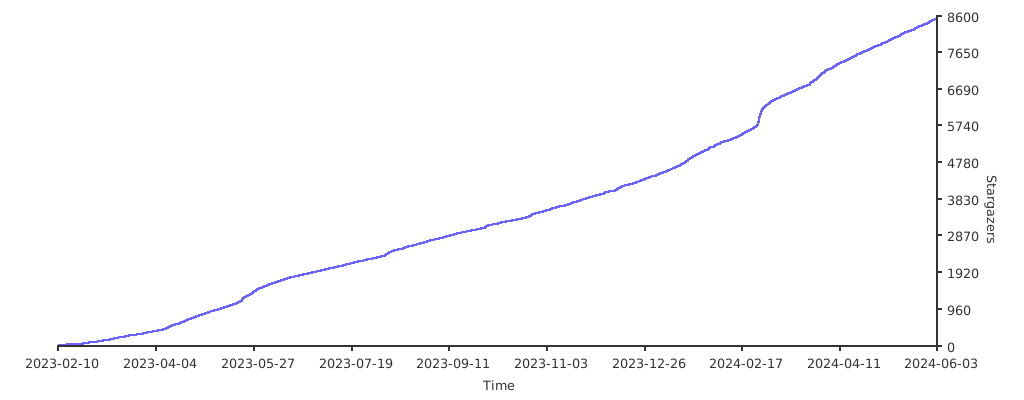
Yıldız Tablosu